


Photo: CBS Sports, Getty Images
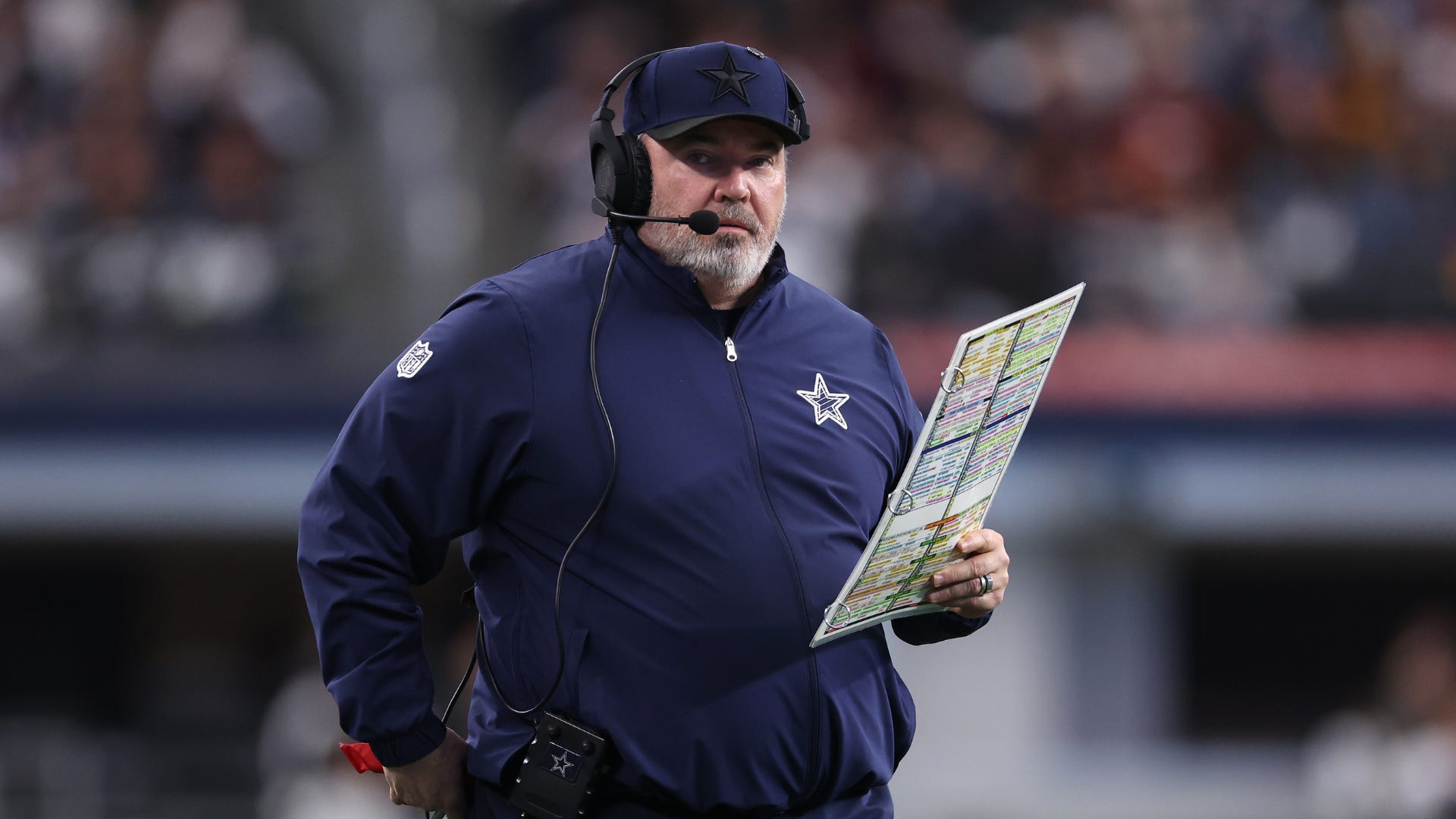
In the middle of a quiet Saturday, while most of the east coast braced for a historic blizzard, the Pittsburgh Steelers announced they were hiring Mike McCarthy. A sixty-two-year-old, currently unemployed, and not seriously on any other teams’ radar (despite the Titans interviewing him as well).
Since his father, legendary owner Dan Rooney, passed, current Pittsburgh owner Art Rooney II has made decision after decision with one priority: what increases the likelihood of not losing more games than winning.
The Pittsburgh Steelers have been a beacon of consistency in the NFL, bucking every conceivable trend. Three head coaches in 56 years. Six Super Bowl championships. Chuck Noll won four. Bill Cowher added a fifth. Mike Tomlin, a relatively unknown defensive assistant when hired, delivered a sixth by 2008.
Tomlin went on to become the symbol of modern coaching excellence. Nineteen consecutive seasons without a losing record—a mark that will likely stand untouched. Even after Ben Roethlisberger retired, Tomlin kept the ship above .500, something not even Belichick managed post-Brady.
But excellence and winning championships are not the same thing. Somewhere along the way, the standard shifted. Super Bowl or Bust became “make the playoffs and hope for the best.” Seven consecutive postseason losses. Blowouts at home against Mahomes and Allen. A franchise that never misses an opportunity to trot out its Super Bowl past was becoming defined by January humiliations.
When Tomlin shocked the sports world by resigning the Monday after the latest playoff exit, the reaction was twofold: surprise that one of the longest-tenured coaches walked away on his own terms, and relief that change was finally coming.
Tomlin’s resignation provided an opportunity for a much-needed reset. The operation had grown stale—you could take it to the bank the team would finish slightly above .500 and lose in the playoffs in non-competitive fashion.
Playoff loss after playoff loss built mounting frustration for everyone who cares about the team. So much so that during a home loss to Buffalo late in the season, fans began chanting to fire a coach who had never had a losing season.
Finally it seemed there would be a catalyst for change. A new coaching staff, possibly filled with young and bright minds seemingly elevating teams across the league to new heights. As much as Tomlin was beloved by players, schematic excellence and strong coordinator hires were never highlights on his résumé.
Young schematic geniuses like Sean McVay, Kyle Shanahan, and Mike McDonald were becoming the faces of their franchises and elevating them to elite status. The Mike Vrabel type could create an inspired culture while assembling strong staffs. Steelers fans couldn’t help but get excited about the possibilities.
When the interview candidates started trickling out, the thesis was validated. Chris Shula, the fast-rising Rams defensive coordinator. Nathan Scheelhaase, an elite offensive mind under McVay. Brian Flores, who had rebuilt his reputation as Minnesota’s DC. This was still one of the best jobs in the league—a position that comes open once every twenty years.
Everything was lining up. It legitimately seemed as if the path back to contention would start here.
Mike McCarthy is not a bad coach. He won a Super Bowl in Green Bay and made the playoffs twelve times. He was also fired by two historic franchises—Green Bay and Dallas—for the same reason: failing to win in the playoffs with MVP-caliber quarterbacks.
McCarthy took last year off. Nine of the ten teams with head coaching openings this offseason passed on him. His only confirmed interview was with the Steelers—apparently because he worked with GM Omar Khan in New Orleans twenty-five years ago, and because he grew up in Pittsburgh.
The official announcement of his hiring sent shockwaves through sports circles, and has almost immediately been met with frustration and anger from Steelers fans.
After a decade without a playoff win—frustration and resentment finally boiling over—the Steelers decided to hire a coach who (checks notes) was fired from his last two jobs at historic franchises for being unable to win in the playoffs.
The Steelers could have hired a young architect—someone to tear down the walls and rebuild from the foundation. Instead, they hired a contractor to patch the drywall.
The Steelers apparently have no interest in doing anything but operation business as usual. McCarthy certainly gives them the highest floor in 2026, but at 62 and with a less than inspiring postseason record, how is this hire supposed to meaningfully inspire any confidence the organization is any closer to a Super Bowl than it was when getting blown out in the wild card playoff round by the Houston Texans?
For some reason, despite initial reports the team was “going to take their time with this search” the Steelers rushed to hire McCarthy before they could even speak with the Rams coordinators in person — when literally no other team was interested in McCarthy.
It’s hard to take this as anything other than organizational malpractice and laziness—opting for a safe retread with ties to the city, as if being from Pittsburgh is a qualification for running a football team.
Maybe this was done to convince forty-two-year-old Aaron Rodgers to return for another season. If so, that’s its own problem. Rodgers elevated the Steelers offense this year, but against elite defenses the former MVP looked like Superman plagued with Kryptonite—his signature escapability and arm strength finally surrendering to Father Time.
In what world does it make sense to let your biggest organizational decision be driven by a player who might play one more season? Because it might help them win two more regular season games.
Setting aside best-case scenarios, Rooney, Khan, and everyone running the team had a unique opportunity to re-engineer the direction of the organization. They were let off the hook not having to fire a Hall of Fame coach. Fans would have been rejuvenated by a new voice and perspective, paving a path for the team to climb back to the top of the NFL, even if there were some short-term pain.
Gone are the days of focusing solely on winning Super Bowls. Rooney II, despite his script in press conferences, is running the Pittsburgh Steelers as if they are a low-margin small business. Keep the bottom line in the green (win more games than you lose, make the playoffs), with the lowest possible costs (the Steelers have had some of the smallest staffs in the league, along with the worst-rated facilities).
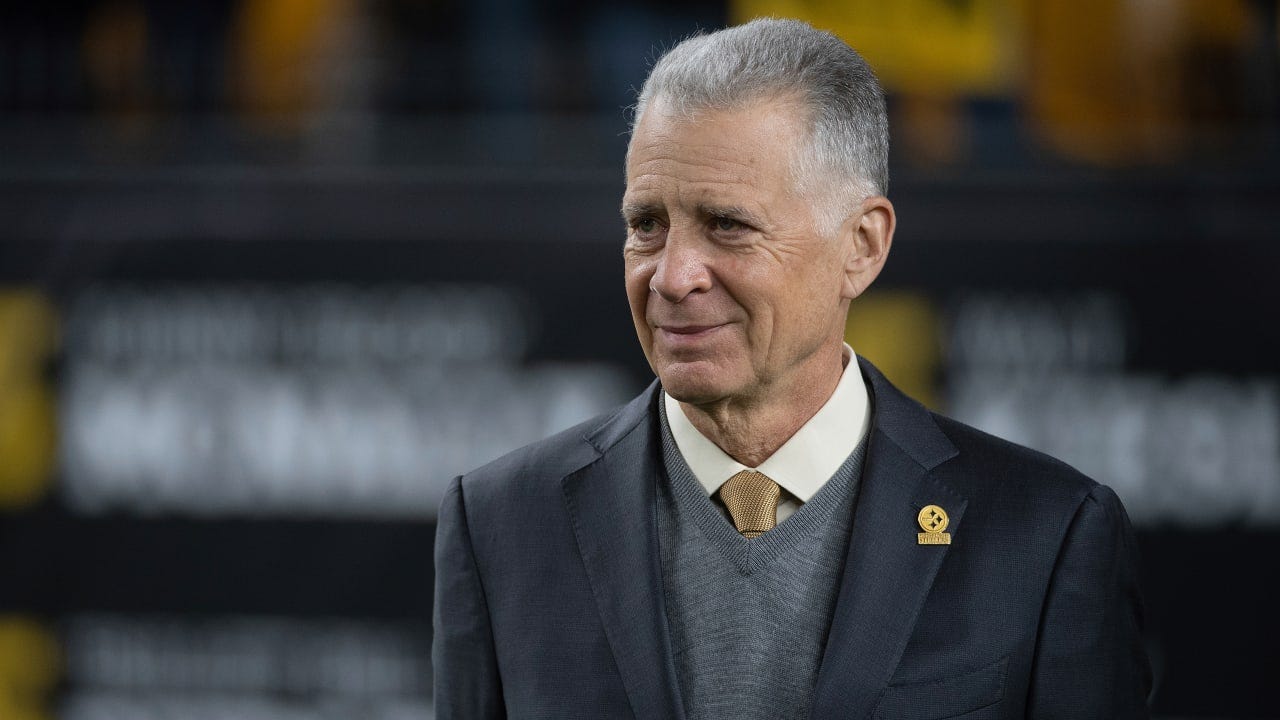
Photo: NFL.com
I mean we are talking about a franchise that has won as many Super Bowls as any team in the league, but inexplicably still shares a practice facility with a middling ACC collegiate team.
An opportunity to go from just being invited to the table, to sitting at the head of it.
Instead, they took the same course of action they have for the last decade. A low risk, high floor decision — wasting any optimism and excitement generated with the possibility of change back towards that Super Bowl standard.
It also can’t be ignored: a sixty-two-year-old coming off a year on the couch costs less and demands less change than a thirty-five-year-old with a vision. Shula, Scheelhaase, Flores—they would have wanted to rebuild. McCarthy just needs to keep the lights on.
There was a dream of a new innovative voice coming in to revamp the entire coaching paradigm, installing diverse schemes and bringing in young talent, setting up the Steelers to finally rise from purgatory and get back into Super Bowl contention.
But hey, at least he is from Pittsburgh, and worked with the GM twenty years ago.
“The Standard is The Standard.” One of Tomlin’s favorite sayings, plastered everywhere in the building.
Once again Art Rooney II has shown that Standard doesn’t exist any longer.
“The Standard” is now mediocrity.
Ouch!